What Is Omakase? Meaning, Cost and Etiquette
In recent years, the dining scene in London has experienced a massive surge in popularity for omakase, ranging from high-end counter services to more affordable options.
For those who aren't fully familiar with the term, what exactly is omakase? It's a Japanese style of food preparation and consumption where the chef chooses what they'll serve to the customers. Dishes are small and served course by course, encouraging slow, mindful eating and bringing focus to the taste, texture, temperature, and quality of the ingredients.
The omakase meaning
Omakase directly translates to “I leave it up to you,” giving the chef free rein of what to serve during the service with no set menu, though typically it follows a sequence.
Omakase is particularly associated with sushi restaurants, where the format allows the chef to select fish, prepare each piece and serve it at the right point of the meal. This means the menu can be changed daily, depending on the best available fish of the day. However, omakase is not limited to sushi and can be used for other Japanese dining styles such as yakitori and yakiniku.
For many guests, the appeal of an omakase is the experience. Trusting the chef with dishes and not knowing what to expect next, but one thing you do know is that the chefs are highly skilled and understand the ingredients and techniques.
Omakase vs kaiseki
Omakase and kaiseki are both associated with Japanese dining, but they are not the same thing.
Kaiseki is a traditional Japanese multi-course dining style with a strong focus on seasonality, balance, presentation and the progression of dishes. It has its own conventions for the menu and follows a fixed, codified course structure.
Omakase is different because it has an element of trust between the guest and the chef. This is where the guest entrusts the selection of the meal to the chef which could be changed throughout the service.
Omakase vs ordering à la carte
The biggest difference between omakase and à la carte dining is who chooses what you eat.
With à la carte dining, you select individual dishes from a menu, giving more flexibility. You decide what you want, how much you want and the order in which you want. This gives it more flexibility than omakase, particularly important if dining with people that have different tastes or dietary preferences/restrictions.
With omakase, the chef makes those decisions for you. The meal is planned as a progression, with each course selected to follow what came before it. This can make the two experiences feel quite different.
Omakase also allows the chef to work with ingredients that change frequently. Instead of building the experience around a fixed selection of dishes, the menu can reflect what is available and at its best at the time of your visit.
This is one reason omakase menus change regularly: seasonality, availability and the chef’s approach all influence what is served on the day.
How the meal runs at the counter
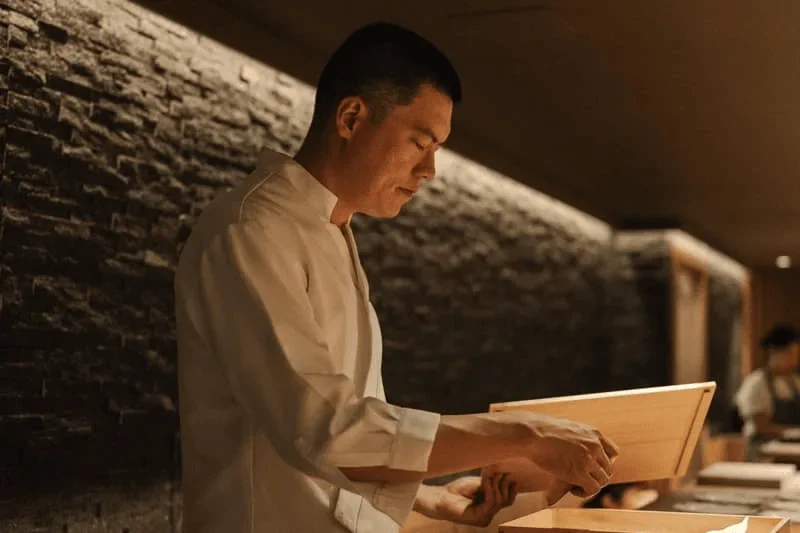
The omakase counter is an integral part of the omakase experience, acting as an open kitchen where chefs prepare the meal in front of the guests.
An omakase meal usually follows an intentional, well-structured progression of dishes. It isn't random. The exact structure varies across different omakase restaurants, but the typical order starts with smaller seasonal dishes, then sushi, and finally a light dessert.
The counter allows the chef to control the pace of the meal while encouraging intimate connection between guests as well. While preparing the rice, for instance, the chef can observe the guests' pace and adapt accordingly. Some guests eat quickly. Others prefer to take their time and concentrate on the food. And others enjoy speaking with the chefs about each dish's preparation.
What does an omakase cost?
The cost of an omakase experience varies considerably depending on the restaurant, location, number of courses and ingredients used. At Sushi Amamoto, an omakase restaurant in London, the tasting omakase (lunch) is £180 for 17 courses. The prestige omakase goes for £380 and consists of around 22 courses with ultra-premium ingredients.
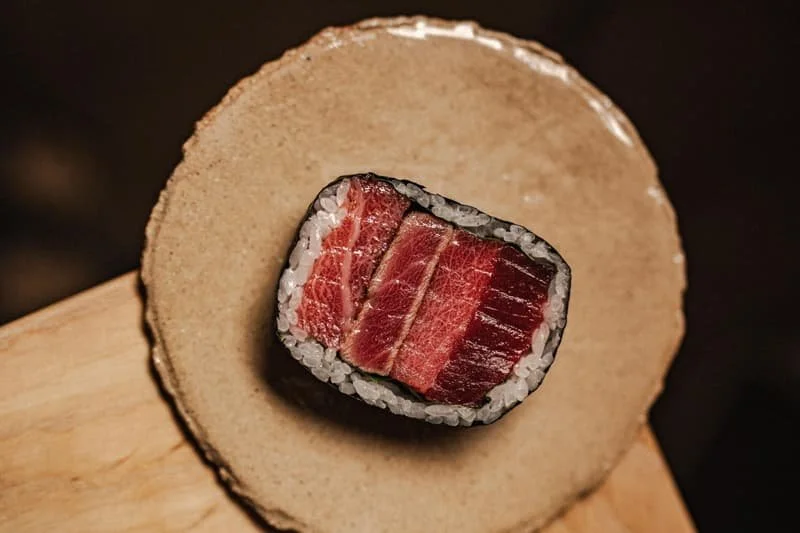
There's also an optional alcohol pairing and Toro caviar handroll towards the end of the menu.
Standout dishes at Sushi Amamoto include the trout oshizushi — a pressed sushi dish often available in the tasting omakase — and grilled mochi with N25 caviar, which is sometimes served in the prestige omakase. Sushi Amamoto uses fish sourced mainly from local waters, such as Spain and Portugal and ages it in-house.
Etiquette
Omakase can seem intimidating, but it is quite the opposite upon entering. There is no need to be overly formal when eating. Most omakase etiquette comes down to being considerate of the chef, the food and the other guests at the counter.
However, there are a few points that guests should be aware of:
Arrive on time. Sushi Amamoto requires guests to arrive once the doors open. Late entries are limited to 20 minutes after booking time only.
Notify the restaurant about allergies in advance. Please note that the menu includes raw and cooked fish, shellfish and gluten. If you're allergic to any of these, please inform the restaurant when you book. Sushi Amamoto cannot guarantee that every requirement can be accommodated.
Follow the chef’s lead. If a piece of sushi has already been seasoned with a brush of soy sauce, there is usually no need to add more.
Eat sushi soon after it is served. This allows you to experience the fish and rice at the temperature and texture intended by the chef.
Ask questions if you are interested. This is a part of the omakase and the chefs would be delighted to answer any questions.
Avoid strong fragrances. A sushi counter is an intimate environment, and strong perfumes can affect the experience for other guests.
Most importantly, you do not need to know everything about sushi before booking an omakase. So, whether it’s your first time or a regular, the chef will guide you through the meal.
What to expect at Sushi Amamoto
Sushi Amamoto is a 16-seat omakase counter in Mayfair, London led by Executive Chef de Patron Shogo Amamoto, with Head Chef Jongho Park running the counter day to day.
The experience follows a carefully considered progression of otsumami (small snacks), sushi, cooked dishes, and desserts, served directly from the 16-seat counter by two experienced sushi chefs using Edomae techniques.
Sushi Amamoto also serves lunch sitting at 12:30 Wednesday to Saturday followed by two dinner seatings at 18:00 and 20:30.
FAQ
Is there a dress code?
Sushi Amamoto kindly requests guests to wear smart-casual attire. Sushi Amamoto cannot accept t-shirts, sportswear, shorts or sandals.
How long does an omakase meal take?
Sushi Amamoto recommends allowing 2 hours for the whole experience.
Are children allowed?
Sushi Amamoto welcomes children who are able to enjoy the full course menu and are respectful to other guests. Infants or smaller children unfortunately cannot be seated.
Experience omakase in Mayfair and book your seat at Sushi Amamoto today.